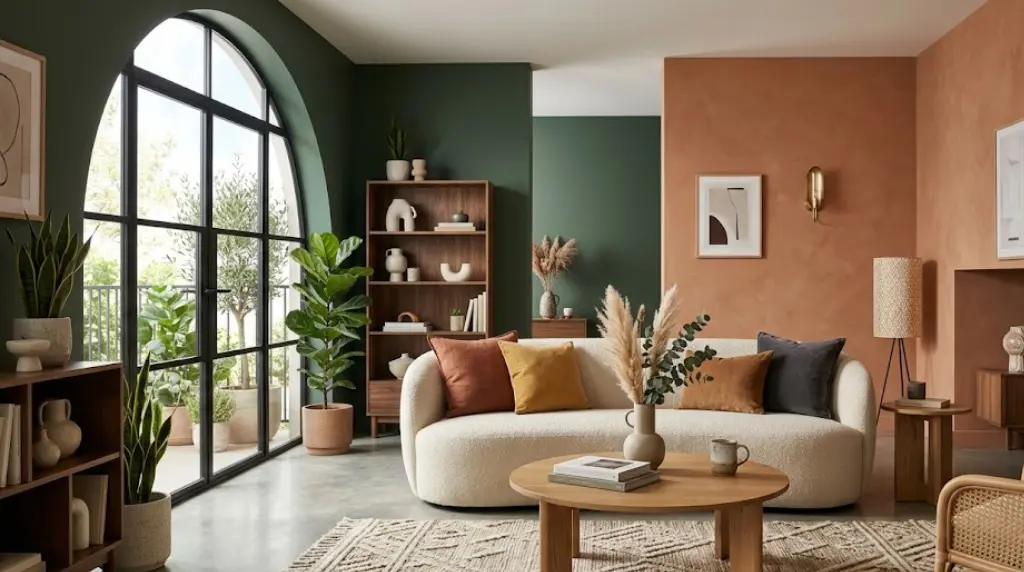
Your Home Interior Colour is Setting the Mood. Is it the Right One?

Chirag Vekariya
Key Takeaways
- Home Interior Colour plays an important role in creating the mood, personality, and overall feel of your living space.
- Different colours influence emotions, energy levels, and how spacious a room appears.
- Choosing the right colour combination requires understanding lighting, room size, furniture style, and personal preferences.
- Professional interior designers use colour psychology and design principles to create balanced spaces.
- A well-planned colour palette improves both aesthetics and functionality of modern homes.
Your Walls Are Speaking Before You Do
When you enter a home, the first thing you notice is not always the furniture or decoration. It is often the feeling the space creates.
A warm beige living room can feel welcoming. A deep blue bedroom can feel calm and relaxing. A bright kitchen with natural tones can create energy and freshness.
This emotional connection begins with the right home interior colour selection.
Many homeowners spend weeks choosing furniture, flooring, and decor but underestimate the impact of colours. However, colour is one of the strongest elements that defines the personality of a home.
According to colour psychology research, colours influence human emotions, behaviour, and perception of spaces. This makes choosing the right interior colour more than just a design decision.
For Indian homeowners, where homes often combine traditional elements with modern aesthetics, selecting the right colour palette requires careful planning.
Why Does Home Interior Colour Matter in Interior Design?
Colour is not just a decorative element. It affects the complete experience of a space.
The right colours can:
- Make small rooms appear larger
- Create a relaxing atmosphere
- Improve natural lighting
- Highlight architectural features
- Match furniture and décor
- Reflect your personality
A poorly selected colour scheme can make a beautiful room feel uncomfortable or unbalanced.
For example:
A dark colour used incorrectly in a small room may make the space feel smaller. However, when used strategically, the same shade can create luxury and depth.
Understanding Colour Psychology in Home Interior Design
Colour psychology explains how different shades influence emotions and perceptions.
1. Blue: Calm and Peaceful Spaces
Blue is commonly associated with relaxation and tranquillity.
It works well for:
- Bedrooms
- Study rooms
- Meditation areas
Light blue shades create freshness, while darker blue tones add sophistication.
Best combinations:
- Blue + White
- Navy Blue + Gold
- Blue + Wooden textures
2. Green: Natural and Refreshing Interiors
Green brings a connection with nature.
It creates a balanced environment and works beautifully in:
- Living rooms
- Balcony spaces
- Bedrooms
Popular combinations:
- Olive Green + Beige
- Sage Green + White
- Green + Natural Wood
3. Beige and Neutral Shades: Timeless Elegance
Neutral colours remain popular in modern home interior design because they create a clean and sophisticated look.
Benefits:
- Easy furniture matching
- Creates spacious appearance
- Works with different design styles
Common combinations:
- Beige + Brown
- Cream + Gold
- Grey + Wooden finishes
4. Yellow and Orange: Energy and Warmth
Warm colours create a cheerful atmosphere.
They are suitable for:
- Dining areas
- Kitchens
- Family spaces
However, bright shades should be balanced with neutral tones to avoid overwhelming the room.
How to Choose the Right Home Interior Colour for Different Rooms
Every room serves a different purpose. Therefore, the colour selection should match the function of the space.
Living Room Colour Selection
The living room is where families spend time together and welcome guests.
Recommended colours:
- Warm beige
- Soft grey
- Earthy tones
- Pastel shades
These colours create a comfortable and inviting environment.
Bedroom Colour Selection
Bedrooms should promote relaxation and comfort.
Recommended shades:
- Soft blue
- Lavender
- Pastel green
- Neutral beige
Avoid extremely bright colours because they may create excessive visual stimulation.
Kitchen Colour Selection
The kitchen benefits from fresh and clean colour combinations.
Popular choices:
- White and wood
- Grey and black
- Green and beige
- Blue and white
A balanced kitchen colour design improves the overall appearance of the home.
Bathroom Colour Selection
Bathrooms often look better with lighter shades because they create a clean and spacious feeling.
Popular options:
- White
- Light grey
- Aqua blue
- Marble-inspired tones
Modern Home Interior Design Colour Trends in India
Indian homeowners are increasingly choosing modern colour combinations that combine elegance with practicality.
Trending Interior Colour Design Ideas
1. Earth-Inspired Colours
Natural colours such as:
- Terracotta
- Olive
- Sand
- Brown
are becoming popular because they create a warm connection with nature.
2. Minimal Neutral Palettes
Modern homes often use:
- White
- Beige
- Grey
- Soft pastels
These shades create a premium and timeless appearance.
3. Luxury Accent Colours
Luxury interiors often include:
- Emerald green
- Deep blue
- Charcoal grey
- Metallic gold accents
These colours create a sophisticated look when used carefully.
Home Colour Selection Mistakes to Avoid
Choosing colours without proper planning can affect the final result.
Avoid these common mistakes:
1. Selecting Colours Without Considering Lighting
A colour may look different under natural and artificial lights.
Always check:
- Morning sunlight effect
- Evening lighting effect
- Artificial lamp colours
2. Using Too Many Colours
A home should have a balanced colour story.
Using multiple unrelated shades can make interiors appear chaotic.
A good approach:
- Choose one main colour
- Add one secondary colour
- Include one accent shade
3. Ignoring Furniture and Flooring
Walls should complement existing elements.
Consider:
- Sofa colours
- Flooring materials
- Curtains
- Wooden finishes
before finalising paint choices.
Professional Interior Colour Planning vs DIY Selection
Factor | DIY Colour Selection | Professional Planning |
| Colour Knowledge | Basic understanding | Design expertise |
| Space Analysis | Limited | Detailed evaluation |
| Lighting Consideration | Often missed | Properly planned |
| Material Matching | Difficult | Accurate coordination |
| Final Result | Uncertain | Balanced outcome |
How Sarathi Innovations Helps Create Perfect Interior Colour Designs
A successful interior design requires more than choosing attractive colours.
At Sarathi Innovations, colour planning considers:
- Home architecture
- Natural lighting
- Furniture style
- Lifestyle requirements
- Latest design trends
The goal is to create spaces where colours support both beauty and functionality.
Professional designers help homeowners avoid expensive mistakes and achieve interiors that feel personalised.
Expert Insight: Why Colour Planning Should Happen Before Execution
Interior execution involves multiple permanent decisions.
Changing colours after:
- False ceiling installation
- Furniture placement
- Electrical work
- Wall finishing
an increase cost and delay projects.
Early colour planning helps homeowners visualise the complete design and make confident decisions.
Frequently Asked Questions (FAQs)
1. What is the best colour for home interiors?
The best colour depends on the room purpose, lighting, and personal style. Neutral shades like beige, white, and grey are popular because they create timeless interiors, while accent colours add personality.
2. How do I choose the right home interior colour?
Choose colours based on room size, natural light, furniture style, and the mood you want to create. Testing samples under different lighting conditions helps make better decisions.
3. Why does interior colour affect mood?
Interior colours influence emotions and perception. Warm colours can create energy and comfort, while cool colours often create calm and relaxation.
4. Which colour combination is best for modern Indian homes?
Popular combinations include beige and wood, white and grey, olive green and neutral tones, and blue with metallic accents.
5. How many colours should be used in a home interior design?
Most designers recommend using three main colours: a dominant colour, a secondary colour, and an accent shade. This creates balance and visual harmony.
Conclusion: Choose Colours That Feel Like Home
Your home should not only look beautiful; it should feel comfortable and meaningful.
The right home interior colour can transform ordinary spaces into personalised environments that reflect your lifestyle and emotions.
From peaceful bedrooms to welcoming living rooms, every colour choice contributes to the overall experience of your home.
With expert planning from Sarathi Innovations, you can create interiors where colours, design, and functionality come together perfectly.