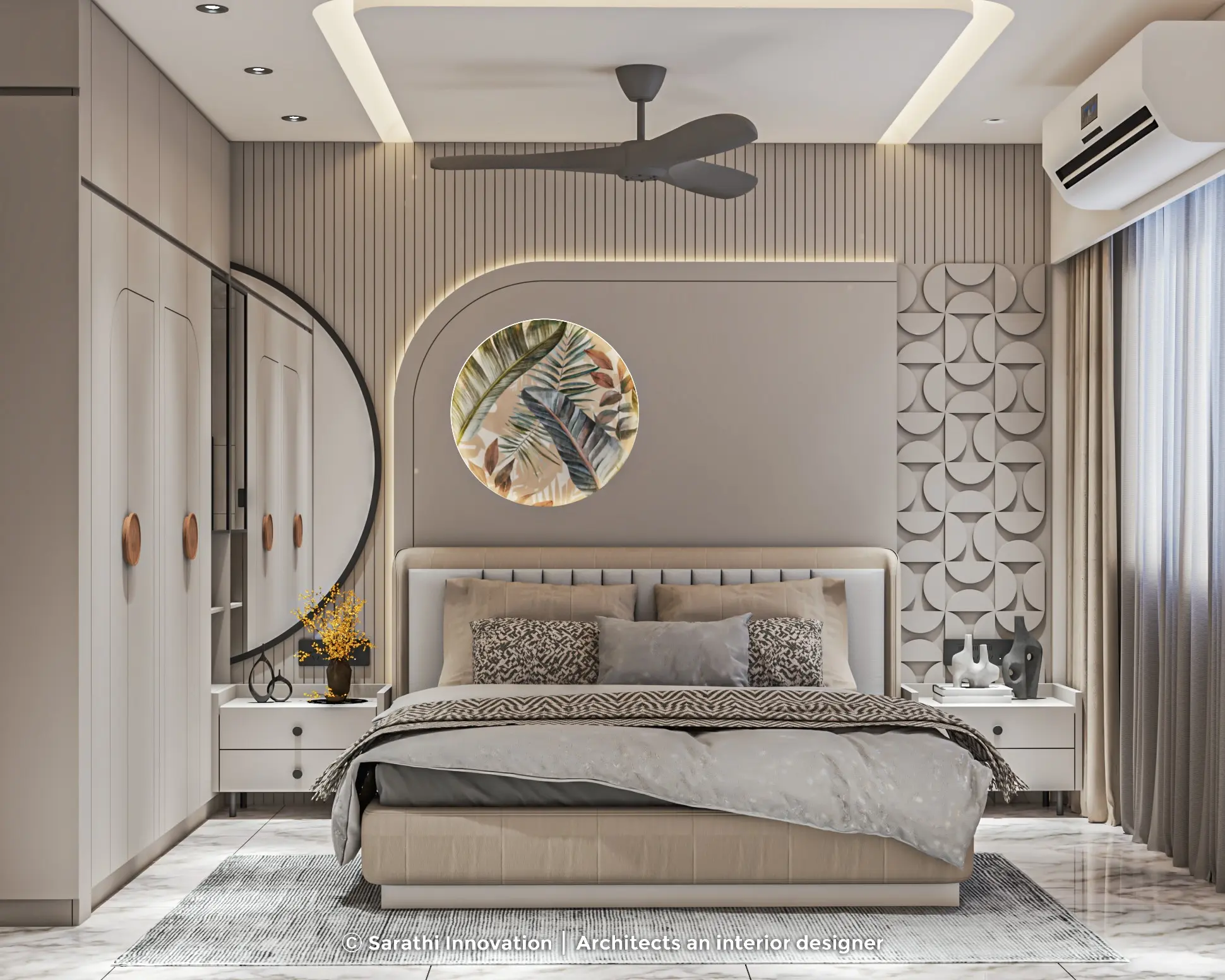
What To Expect From The Best Interior Designer Service: The Professional Standard

Chirag Vekariya
As far as hiring an interior designer, there is a misconception that runs rampant throughout the internet: The Pinterest Myth. Flip through Instagram, Facebook or Pinterest and it would be easy to think of interior design as the right arrangement of cushions, drapery and mood lighting. Having spent the last decade in the field, managing 100-plus projects from residential to boutique corporate at Sarathi Innovations, I can tell you real-life interior design is immensely more detailed, technical and laborious than an imagined mood board.
Below, you’ll find the expectations you really should have for the best interior designer service if you want a home that’s the best of luxury, efficiency and durability.
Dusty Shoes: It Is Just Experience
I have walked through over 100 construction sites; from the high-rise apartments in Prahlad Nagar to sprawling bungalows in Vastrapur. And let me tell you, nothing on Pinterest will get you ready for:
- Handling 15+ vendors from carpenters to electricians to marble suppliers.
- Verifying civil dimensions to the very last detail small errors in measurement can lead to high redesign costs.
- We fix site-level mistakes before they get too costly, like crooked electrical conduits or uneven floor finishes.
The distinction between a designer and a decorator isn’t merely one of taste; it's about risk management, technical oversight and exacting execution. A high-caliber designer anticipates challenges before they arrive in your wallet.
The 5-Stage Professional Design Process
An experienced interior designer does not simply “make a space pretty.” We utilize a step by step workflow to guarantee functionality, appearance and durability.
1. The Discovery: Beyond Favorite Colors
Most clients begin with things like: “I love blue,” or “I want a Scandinavian vibe. A professional designer goes deeper:
- Lifestyle Mapping: Knowing your daily patterns, family dynamics, work-from-home requirements and guest flows.
- Functional Assessment: Not only where furniture will fit, but how spaces will be used across seasons and scenarios.
- Budget Alignment: Being transparent early avoids false expectations being set down the line.
2. The Technical Set: Precision in Planning
High-quality interiors demand technical rigor. We create detail 2D CAD drawing for SARATHI INNOVATIONS
- Electrical layouts (to make sure outlets and smart-home integrations are optimally placed)
- Plumbing sketches (to avoid leaks, pressure problems, or layout conflicts)
- Structural feasibility (false ceilings and lighting grids; not just aesthetics)
This technical underpinning is guaranteed that contractors and vendors operate perfectly, minimizing expensive change orders and project delays.
3. Material Curation: The Science of Selection
Selecting materials is as much a science as an art. It involves:
- Laminate Grades: Wear & Scratches Resistant Finishes That Last for Years.
- Hardware Choice: Use reputable brands like Hettich/blum for hinges/sliding and drawers.
- Stone Durability: Granite, marble or engineered stone should be selected based on traffic, sun and maintenance expectations.
Material choices are seldom aesthetic, at least not solely they are longevity decisions.
4. Project Management: Discipline on Site
A designer’s role extends far beyond the studio:
- We do weekly site audits: I walk each site myself to check that execution matches the technical drawings.
- Snag Lists: These are lists of minor defects or unfinished work, such as scuffed paint and loose cabinet hinges. Resolving them gives you a refined, perfect finish.
- Vendor Coordination: Scheduling timelines, deliveries and installation sequencing with various trades.
Clients with high net worth expect accuracy and timeliness. That's what professional project management provides.
5. The Reveal: Styling and Handover
The last stage isn’t simply “arranging furniture”:
- Styling: Mixing textures, lighting and art for an abundance of atmosphere, while keeping it luxurious-yet-livable.
Handover Documentation: We equip you with detailed documentation including maintenance guidance, warranty information and vendor contacts so your home continues to sparkle even well after we’re gone.
This is where the ‘Livoraa’ standard steps up as a fully curated and yet at the same time organically functional home.
Local Expertise Matters in Ahmedabad
Every city presents unique challenges. In Ahmedabad:
- Raw Materials: The right marbles The right hardware suppliers like Ratanlal & Sons (marbles) and Prahlad Nagar are authentic sources.
- High-Rise vs. Bungalow Logistics: The logistics of getting there (elevators, hoisting permissions) and the material staging positions vary greatly compared to low-rise properties. It manages these nuances, avoiding delays and damages.
A local designer is not only an aesthetic guide, they're a logistical strategist, ensuring that your project runs seamlessly in the context of your city.
The Transparency Clause: What a Designer Does NOT Do
Clarity builds trust. High-end interior designers are not contractors. We do not:
- Perform construction work ourselves.
- Cut corners to save costs.
- Simply follow Pinterest trends without functional consideration.
Time, Quality and Your Investment. We are your advocate; we make sure contractors perform, schedules are met, and your investment is protected.
Fee Structure: Fixed vs. Percentage
Professional fees vary:
- Fixed Fees: Amount agreed upon before work begins, best matched with specific goals.
- As a Percentage of Project Cost: Generally 8–12% for larger projects, but scales with complexity/luxury level.
Full transparency in fees helps clients make informed decisions without surprises.
Sarathi Innovations Difference
At Sarathi Innovations we blend residential space luxury with corporate level discipline:
- Livoraa Standard: Comfort, sophistication and functionality are reflected in every home.
- Vendor Trust: Experience in the local network for 15+ years leads to timely delivery with high quality.
- Comprehensive Monitoring: Tracking every detail from site audits to CAD works and more.
For high-net-worth clients, it translates to peace of mind, and a home that is both beautiful and resilient.”
The Checklist: What to Expect From a True Interior Designer
Discovery Stage
- Lifestyle mapping
- Functional and spatial analysis
Budget transparency
Technical Stage
- 2D CAD layouts for electrical, plumbing, and ceilings
- Coordination with structural consultants
Feasibility checks
Material Curation
- Laminate, stone, and hardware selection
- Durability and maintenance analysis
Supplier vetting
Project Management
- Weekly site audits
- Detailed snag lists
Vendor coordination and timeline management
Reveal
- Final styling and lighting placement
- Handover document with warranties and maintenance
Post-completion support
Conclusion
The best interior designer hire listens to experience, skill, area authority and customer clarity. A top-notch service is much more than a trendy decor actually, it is an intentional, technically sound and client-focused process.
Sarathi Innovations exemplifies this standard. There are ‘enclaves’, there are ‘livings’ and then there is the ‘Livoraa’ experience, a name that stands for luxury with trust, discipline with dependability and space which gives elegance to your lifestyle yet maintains functionality in daily expects Ahmedabad high net worth individuals who prefer living at best.
Next time you hear someone say interior design is pillow picking, remind them: Real deal designers walk the dusty shoes of job sites, foresee problems and create homes that last and stay beautiful for years.
FAQs: What to Expect from a Professional Interior Designer
1. How is hiring a professional interior designer different from a decorator?
A decorator focuses mainly on aesthetics, fabrics, colors, and furniture placement. A professional interior designer handles technical planning, vendor management, material selection, and project oversight, ensuring your home is functional, durable, and visually cohesive.
2. What is a snag list, and why is it important?
A snag list is a detailed checklist of minor defects, unfinished work, or installation errors discovered during site inspections. Addressing these items ensures a flawless finish and prevents issues from escalating into costly repairs.
3. How do fees work for interior designers?
Designers usually charge either:
- Fixed fees for well-defined projects, or
A percentage of total project cost (typically 8–12% for luxury projects).
Transparent fee structures help clients plan budgets without surprises.
4. Do designers handle construction themselves?
No. Professional interior designers do not act as contractors. They are your advocate managing vendors, ensuring quality, and overseeing timelines while protecting your investment.
5. Why is local expertise important for Ahmedabad projects?
Local knowledge ensures:
- Access to trusted suppliers and authentic materials.
- Understanding of logistical challenges, like high-rise hoisting, elevator restrictions, or traffic during deliveries.
- Tailored solutions for bungalows vs. high-rise apartments.