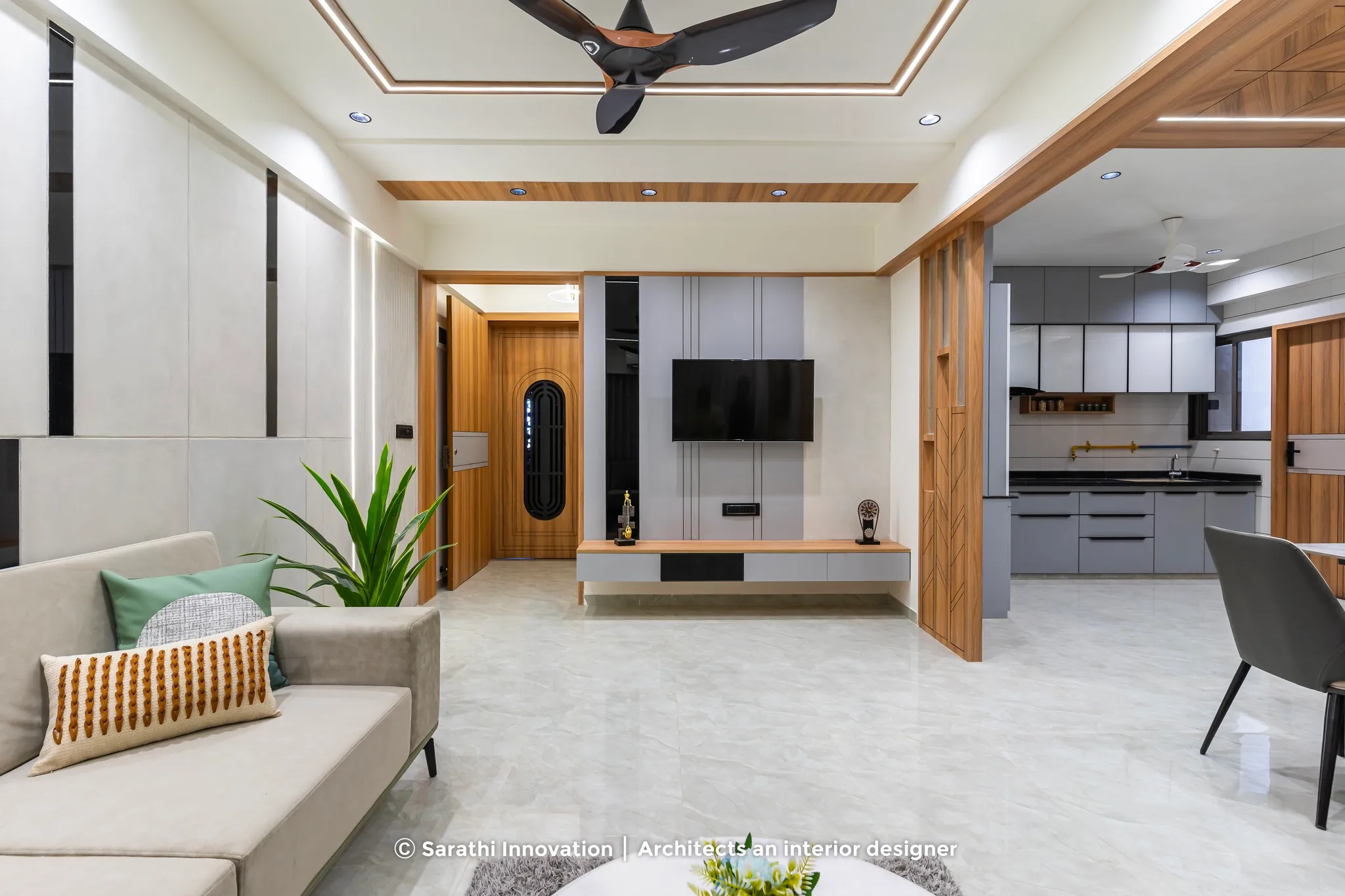
TV Unit Materials for Indian Homes: A Comprehensive Guide to Style & Durability

Chirag Vekariya
The TV unit is not just a place to keep your television; it’s a statement piece when it comes to home décor. The living room is the heart of Indian homes and selecting the right TV unit material is a crucial step when designing this space. It not only has to align with your aesthetic tastes, but also be sturdy enough to withstand the rigors of everyday life.
In this guide, Sarathi Innovations will discuss the best TV unit materials for your entertainment space so you can make sure that whatever you go with is stylish as well as strong enough to outlast a decade.
1. Wood: The Timeless Classic
Wood has been a well-loved material in Indian homes. Its natural beauty and smooth finish make it an ideal choice for TV units. Whether you opt for a truly traditional design or something more modern, wooden TV units are an incredible way to introduce warmth into your space.
Advantages of Wood:
- Classic Elegance: Wood adds timeless beauty and warmth to any space.
- Longevity: A wooden TV unit can last for generations when properly maintained.
- Customizable: Wood can be bent to any shape, thus offers versatility.
Disadvantages of Wood:
- Maintenance: Needs regular polishing and maintenance to keep its finish.
- Moisture Susceptibility: Excess humidity can cause wood to expand or develop deep cracks.
Best For: Home with a traditional, rustic or heritage theme seeking timeliness.
2. MDF (Medium Density Fiberboard): Budget-Friendly & Flexible
If you’re looking for a more affordable yet stylish option, MDF is an excellent choice. It’s one of the most commonly used materials for modern TV units, known for its smooth surface and versatility.
Advantages of MDF:
- Budget: That's a system composed of lower-cost components.
- Smooth Finish: Offers a perfect painting/laminating surface.
- Customizable: Can be easily shaped and designed into intricate patterns.
Disadvantages of MDF:
- Vulnerable to Moisture: MDF can swell when exposed to water.
- Lower Durability: It might not hold up as well under heavy use as solid wood.
Best For: Those on a budget but still seeking a sleek, contemporary look.
3. Plywood: Strong & Reliable
If you want something in between MDF and solid wood, you can go for plywood. It is durable, has a smooth finish, and can be customized to fit your design requirements.
Advantages of Plywood:
- Durability: More resistant to wear and tear, and less prone to warping than MDF.
- Versatility: You could use it in almost any design whether that be minimalist or complex.
- Cost-effective: It’s pricier than MDF but still less expensive than solid wood.
Disadvantages of Plywood:
- Surface Imperfections: May require additional finishing to achieve a smooth surface.
- Heavy: Plywood can be heavier than MDF or other materials, which might make it more difficult to move.
Best For: Residences that want durability, customization options and low cost.
4. Metal: Modern & Industrial Appeal
Metal TV units are the latest hot trend in urban homes as they give a unique, industrial touch. With their minimalist design and durable frame, metal units are ideal for houses with modern, chic decor.
Advantages of Metal:
- Durability: Metal is strong and durable.
- Low Maintenance: Dusting and light cleaning, plus no need for frequent maintenance.
- Contrasting Look: The metallic finish is a bold, stylish statement in any room.
Disadvantages of Metal:
- Prone to Rusting: Metal units can rust in humid environments unless adequately maintained.
- Cold to Touch: Metal is not warm and lacks the organic spirit that wood provides.
Best For: Modern, minimalist and industrial-themed homes that want an edge.
5. Glass: Sleek & Transparent
Glass is a great choice if you want a TV unit that exudes modernity and sophistication. A natural complement with wood or metal, glass brings an elegant touch while allowing the rest of a room’s decor to shine.
Advantages of Glass:
- Modern Aesthetic: Appropriate for modern houses.
- Airy Aesthetics: Glass products create a sense of openness and airiness in the room.
- Easy to Clean: A glass surface is smooth, easy, and wipeable.
Disadvantages of Glass:
- Fragility: Glass can shatter or crack easily, particularly if you have young children at home.
- Frequent Cleaning: Glass cannot hide fingerprints and smudges the way cupboard doors can.
Best For: Small, contemporary homes or anyone who wants a light, glossy feel.
6. Laminate Finishes: Durability Meets Style
Laminate refers to a surface material that is applied over plywood or MDF, offering more strength and style. It’s one of the most affordable options out there, offering a long-lasting and customizable surface.
Advantages of Laminate:
- Durability: Resistant to scratches, stains, and fading.
- Variety of Finishes: Offered in an exhaustive selection of styles, surfaces and shades.
- Low Maintenance: Easy to clean and care for.
Disadvantages of Laminate:
- Chipping: Edges of laminate may chip with time.
- Artificial Look: It may not give out like the same authentic or luxury feel as timber or stone.
Best For: Anyone searching for a practical, budget-option with tons of design selections.
7. Stone: Luxurious & Durable
If you want to infuse a sense of luxury into your living room, stone TV units are for you. A stone TV unit be it marble, granite, or engineered stone is an exquisite and luxurious option for luxury homes.
Advantages of Stone:
- Luxury Appeal: Request luxurious charm for your living room.
- Heat Resistance: This is because stone can handle high temperatures without getting damaged.
- Durable: Stone is extremely strong and durable.
Disadvantages of Stone:
- Expensive: Such stone units might be pricey and not an option for the budget buyer.
- Heavy: Because of its weight, stone units can be challenging to move and install.
Best For: Luxury upscale homes with an emphasis on durability and elegance.
At Sarathi Innovations, we believe in providing durable, stylish, and practical furniture solutions for every home. Choose the right material for your TV unit to create a space that reflects your personality and withstands the test of time. Whether you opt for the warmth of wood or the sleekness of glass, the perfect TV unit can transform your living room into a haven of style and comfort.
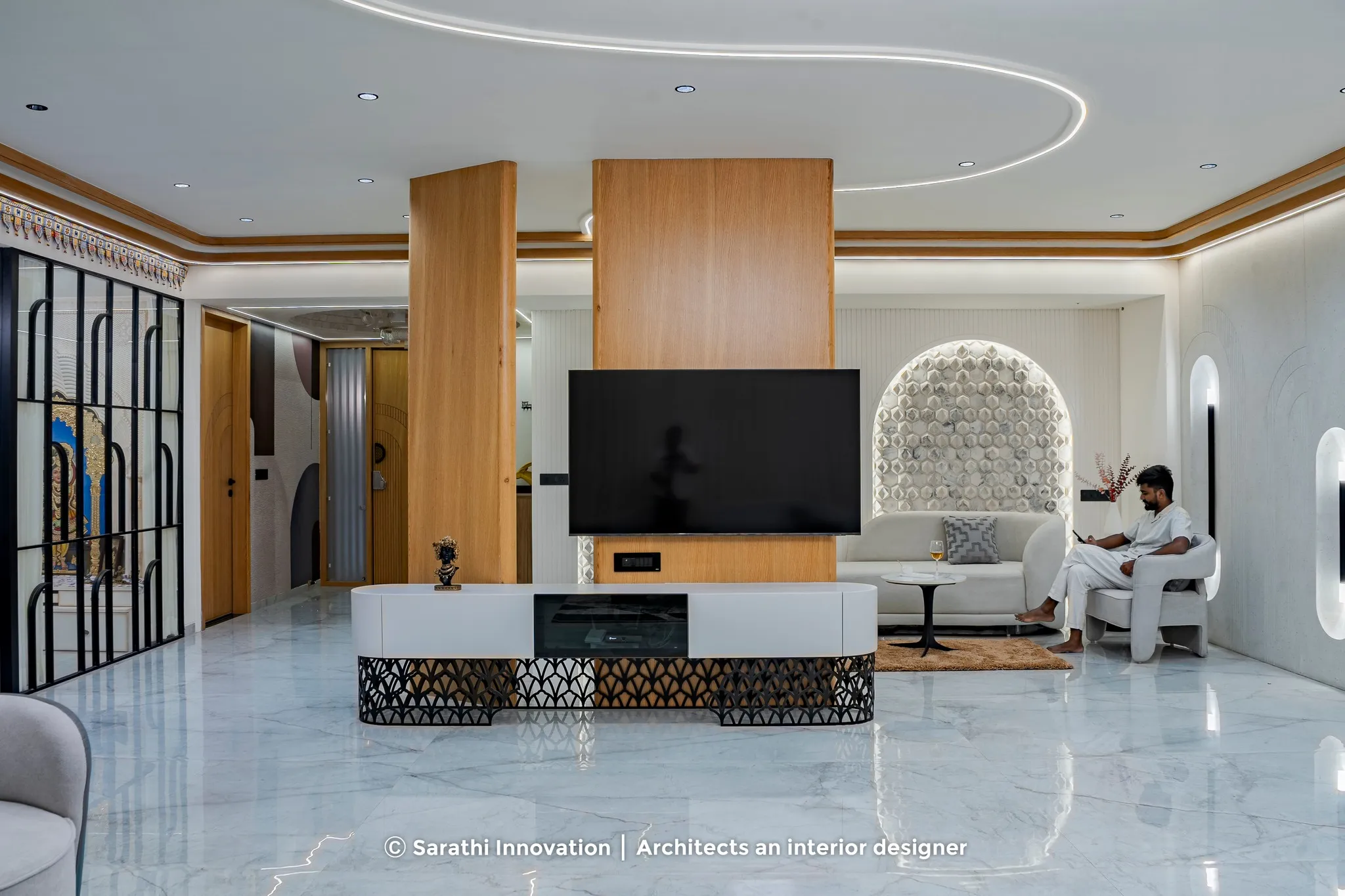
FAQs
- What is the best material for a TV unit in an Indian home?
The best material depends on your aesthetic preferences and budget. For a timeless look, wood is ideal, while MDF and plywood offer modern, budget-friendly options. If you're looking for durability, metal and stone units stand out.
- How do I maintain a wooden TV unit?
Dust regularly, polish it shiny and avoid direct sunlight and moisture to maintain wooden TV units. Mop up spills right away to avoid stains.
- Are metal TV units durable?
Yes, metal TV units are durable and robust but require some care to prevent rusting, especially in humid environments. Opt for high-quality metal for longevity.
- Can glass TV units be safe for families with children?
Glass TV units can be safe if made from tempered glass, which is stronger and more resistant to breakage. However, glass units require extra care, especially in households with children.
How much should I budget for a quality TV unit?
The budget for a quality TV unit varies based on the material. While wooden and stone units are on the expensive side, MDF and plywood units are more affordable, ranging from ₹50,000 to ₹70,000 depending on the material and design.What are laminate TV units made of?
Laminate TV units are made from materials like MDF or plywood and coated with a layer of laminate. They provide a smooth finish and are available in a variety of colors and textures.How do I choose a TV unit that fits my home decor?
Choose a material that complements your existing furniture and décor. For a traditional look, wooden units are perfect, while modern homes may benefit from glass or metal units.- How long do TV units last?
The lifespan of a TV unit depends on the material. Wooden units can last for decades with proper care, while MDF and plywood units may last around 5-10 years. Stone units can last a lifetime if maintained properly.